Natural Rhodioloside/Salidroside
What is Rhodioloside?
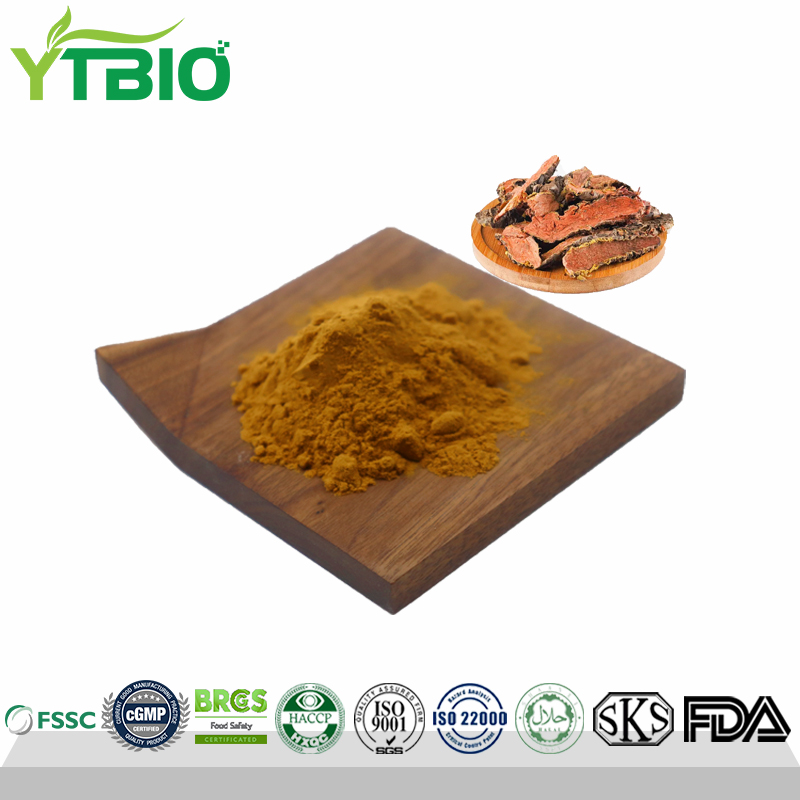
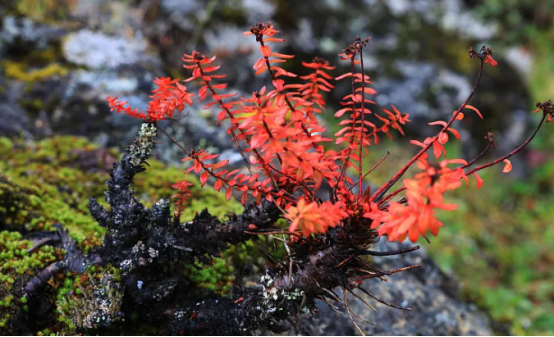
Rhodioloside is a natural phenylethanoid glycoside compound derived from the rhizomes of plants belonging to the Rhodiola genus of the Crassulaceae family (such as Rhodiola rosea). Its chemical name is 2-(4-hydroxyphenyl)ethyl-β-D-glucoside, with the molecular formula C₁₄H₂₀O₇. It is one of the core active components responsible for the pharmacological effects of Rhodiola.
This component possesses a wide range of biological activities, mainly including antioxidant, anti-fatigue, anti-hypoxia, anti-inflammatory, cardiovascular protection, and immune regulation effects. Its mechanisms of action involve regulating cell signaling pathways, scavenging free radicals, and improving energy metabolism, among other aspects. Based on these characteristics, rhodioloside has been applied in various fields, including medicine, health products, and cosmetics.
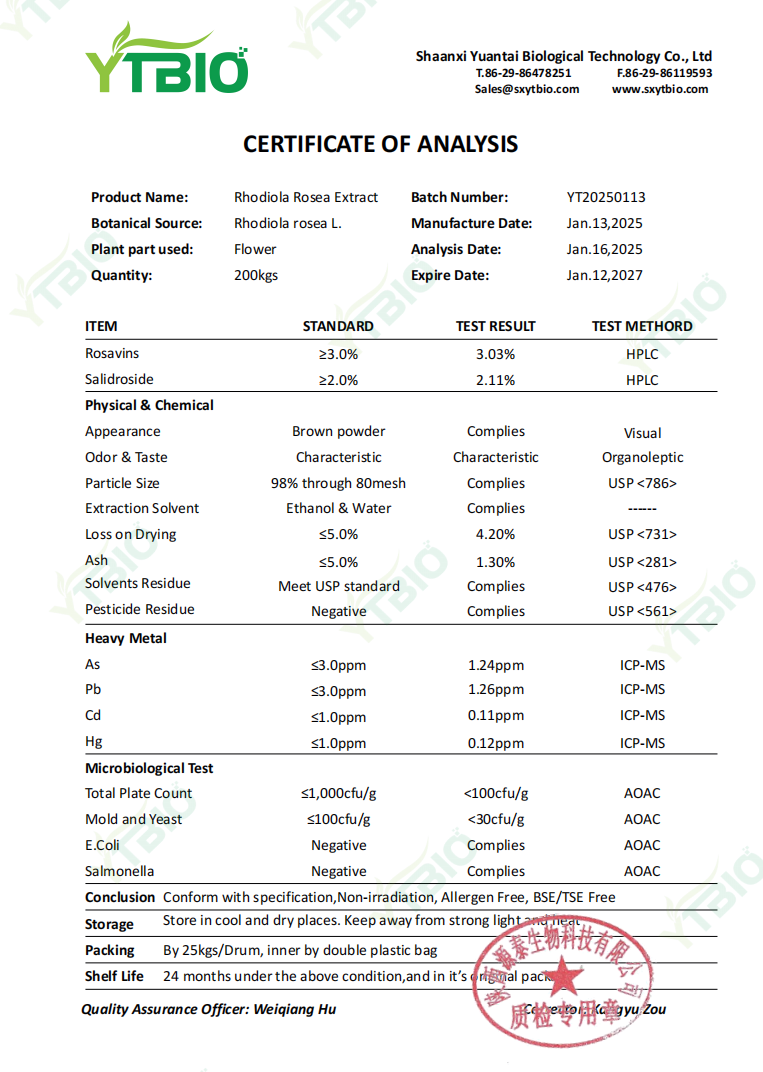
COA:
What are the benefits of Rhodioloside?
I. Enhancing Adaptability and Anti-fatigue
Significantly improves the body's anti-fatigue ability, extending the duration of physical and mental activity, and promoting post-exercise recovery.
Enhances the body's resistance to hypoxia, reduces overall oxygen consumption, and increases the blood's oxygen-carrying capacity, improving conditions related to altitude sickness or hypoxic environments.
II. Nervous System Protection
Neuroprotection: Protects neurons from toxins and oxidative damage, potentially offering benefits for neurodegenerative diseases such as Alzheimer's disease.
Regulating nerves and emotions: Exerts a bidirectional regulatory effect by influencing neurotransmitters (such as serotonin), helping to improve sleep and alleviate anxiety or depression.
III. Antioxidant and Anti-aging
Potently scavenges free radicals, reduces oxidative stress, and increases the activity of antioxidant enzymes such as superoxide dismutase (SOD).
Delays cellular senescence, reduces lipofuscin deposition, extends cell lifespan, and overall slows down the aging process.
IV. Cardiovascular and Metabolic Regulation
Cardiovascular protection: Helps regulate blood pressure and blood lipids, improves blood circulation, and inhibits thrombosis.
Bidirectional regulatory function: Can help regulate abnormal indicators such as blood sugar, blood lipids, and blood pressure to normal levels, restoring bodily balance.
V. Immune Regulation
Enhances immunity: Increases the activity of immune cells (such as T lymphocytes and phagocytes), strengthening the body's resistance. VI. Other Effects
Promoting bone health: Helps reduce bone loss, protects bone cells, and combats degenerative bone diseases.
Detoxification and anti-radiation: Shows a certain protective effect against certain chemical toxins and radiation damage.
Skin care benefits: When applied in skincare products, it can protect against UV damage, promote collagen synthesis, and has anti-photoaging, whitening, and repairing effects.
What are the uses of Rhodioloside?
I. Medical and Health Care Fields
This is the most core and valuable application direction of Rhodioloside.
Cardiovascular health: Used to assist in improving myocardial ischemia, regulating blood lipids, protecting vascular function, and reducing the risk of cardiovascular diseases.
Metabolic diseases: Through regulating blood sugar and improving insulin resistance, it has potential protective effects on diabetes and its complications (such as nephropathy and retinopathy).
Neuroprotection: Shows research prospects in the prevention and treatment of neurodegenerative diseases such as Parkinson's disease and Alzheimer's disease, through mechanisms such as antioxidation and inhibition of apoptosis.
Anti-fatigue and adaptogenic effects: As a core ingredient in health supplements, it is used to improve exercise endurance, relieve physical and mental fatigue, and help improve the body's adaptability in hypoxic environments such as high altitudes.
Immune regulation: Used to enhance the body's resistance and assist in regulating immune system function.
II. Cosmetics and Skincare Fields
Thanks to its excellent antioxidant and skin repair properties, it is rapidly growing in the skincare market.
Anti-aging and photoprotection: As a key active ingredient, it is used to scavenge free radicals, resist UV damage, reduce wrinkles, and delay skin photoaging.
Whitening and brightening: By inhibiting melanin synthesis, it helps improve uneven skin tone and blemishes.
Anti-inflammatory and repairing: Suitable for soothing sensitive skin, reducing inflammatory reactions, and promoting skin barrier repair.
III. Market Prospects
The health supplement market is the main pillar.
The cosmetics market is growing rapidly.
With research breakthroughs in new indications such as asthma and gouty arthritis, its market potential as a pharmaceutical raw material is constantly expanding, and the industry prospects are broad.