
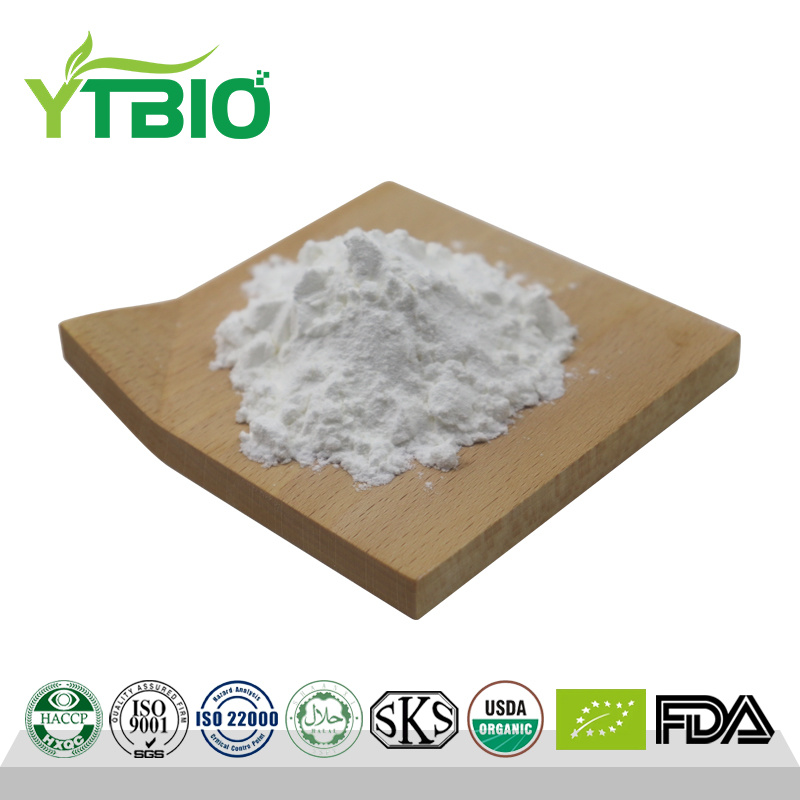
Wholesale Conjugated Linoleic Acid Powder CLA Powder
What is conjugated linoleic acid?
Conjugated linoleic acid is an essential fatty acid for humans and animals, but it is also a substance that it cannot synthesize on its own, possessing significant pharmacological effects and nutritional value, and thus offering great benefits to human health.
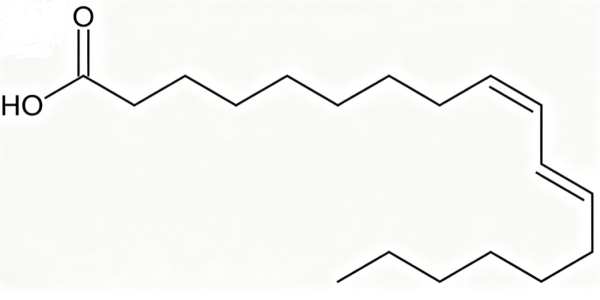
Conjugated Linoleic Acid (CLA) is a collective term for all stereoisomers and positional isomers of linoleic acid. It can be considered a secondary derivative of linoleic acid, with the molecular formula C₁₇H₃₁COOH. CLA is absorbed through the digestive tract from food into the bloodstream, where it is distributed throughout the body. After absorption, CLA primarily integrates into structural lipids of tissues, with some entering plasma phospholipids, cell membrane phospholipids, or being metabolized in the liver to produce arachidonic acid, which further synthesizes eicosanoids and other bioactive compounds.
What are the core advantages of Conjugated Linoleic Acid (CLA)?
Featuring a blend of Conjugated Linoleic Acid, L-Carnitine, Arabinose, various B-complex vitamins, Matcha, Calcium D-Pantothenate, imported Resistant Dextrin, and Mulberry Leaf Extract, this product works to slow the absorption of carbohydrates and sugars. Through this synergistic action, it delivers a dual benefit: simultaneously reducing body fat and building lean muscle mass.
Current Status of Production Technologies
Conjugated linoleic acid (CLA) is primarily found in the meat and dairy products of ruminants; it is formed within the rumen of these animals through isomerization and biological dehydrogenation reactions. However, its natural abundance is generally low, rendering it insufficient to meet human dietary requirements. Subsequent research has revealed that CLA can be obtained through various methods, including chemical synthesis, microbial fermentation, and in vitro enzymatic synthesis.
Chemical synthesis of CLA offers the advantages of low cost and high yield, making it the most widely adopted method in industrial production. Nevertheless, it presents food safety concerns—such as a complex mixture of product isomers, difficulties in separation and purification, and the potential for residual byproducts. CLA produced via microbial fermentation offers superior food safety; however, the microorganisms involved—such as rumen bacteria, propionibacteria, and *Clostridium* species—require strictly anaerobic growth conditions, which currently limits the efficiency of their application in CLA production. In contrast, in vitro enzymatic synthesis utilizes a relatively simple reaction system—consisting solely of enzymes, substrates, and a low-concentration salt buffer—and features mild, controllable reaction conditions, a single-isomer product, high efficiency, and high safety. However, the cost of preparing the necessary enzyme preparations remains high, and this method is currently still in the laboratory research phase.
A Prominent Health Supplement in Modern Nutrition
Involvement in Lipid Metabolism
Lipids encompass triglycerides and various lipid-like substances (such as cholesterol, phospholipids, and glycolipids). Conjugated linoleic acid (CLA) plays a regulatory role in lipid metabolism by modulating the key factors involved in these metabolic processes. Notably, CLA can significantly lower insulin levels; since insulin typically promotes fat synthesis and storage while inhibiting lipolysis (fat breakdown) and glucose production, this reduction in insulin levels contributes to the regulation of lipid metabolism.
In addition to exerting a direct influence on lipid metabolism itself, CLA can also act synergistically with other substances to further regulate these metabolic processes.

Antioxidant Activity
The antioxidant capabilities of CLA—specifically its capacity to scavenge DPPH and ABTS free radicals, inhibit lipid peroxidation, and extend the induction period of oil oxidation—all increase in direct proportion to its concentration. Furthermore, arginine has been shown to exert a synergistic, enhancing effect on the antioxidant activity of CLA.
CLA can increase the levels of myoglobin in both cardiac and skeletal muscles within the human body. This enhancement improves the body's cellular capacity for oxygen storage and transport, thereby boosting vitality and performance during physical training and exercise. Moreover, CLA helps prevent the proliferation of vascular endothelial cells and enhances the capacity for vasodilation, thereby effectively safeguarding the body's organs and the brain against damage caused by oxygen deprivation.

Application direction

FAQ
Q: Are you a formal manufacturer and what certifications do you have?
A: 12+ years GMP factory with full global certifications. OEM & ODM customization available.
Q: What specifications of Conjugated Linoleic Acid can you supply?
A: We offer five CLA grades: 78%-84% microencapsulated CLA powder, 55%-64% CLA-TG oil, 40% CLA triglyceride powder, regular 80% CLA triglyceride oil and refined 80% CLA triglyceride oil, all in CLA-TG form.
Q: What are the prominent advantages of your Conjugated Linoleic Acid oil?
A: Natural safflower-derived, help reduce fat and retain muscle, widely used in fitness weight-loss formulas.
Q: What fields can this product be used in and how to store it properly?
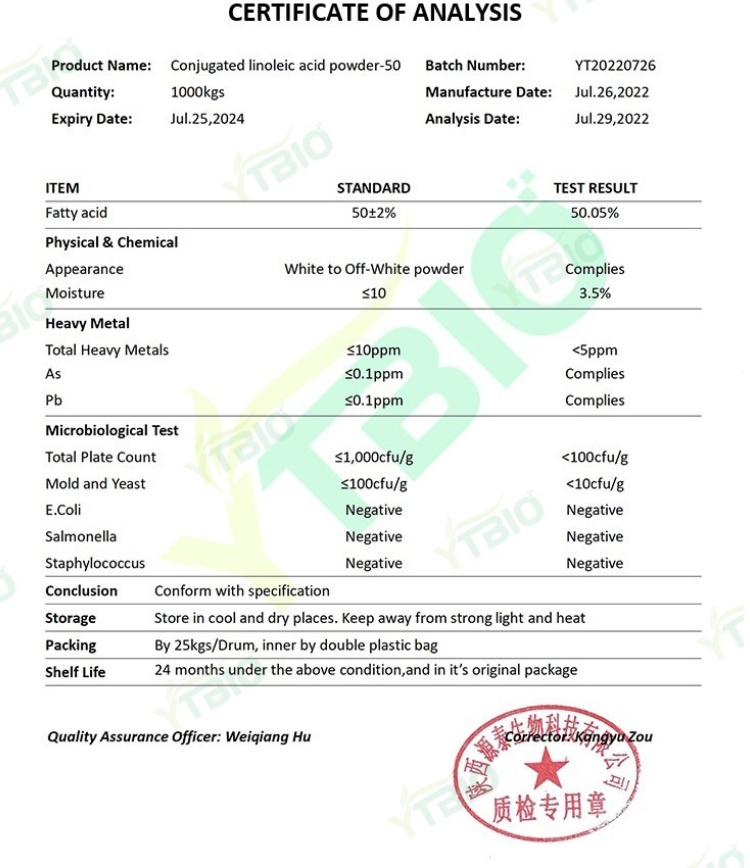
A: Body shaping and sports nutrition dietary supplements. 24 months shelf life, store cool, dry and dark sealed environment.
Q: What’s your MOQ, sample policy and production lead time?
A: 25kg standard MOQ, free samples (freight collect). 7-15 working days lead time.
Q: What after-sales support can you provide for buyers?
A: Formulation technical guidance; return & exchange service for quality defects.
Email: sales@sxytbio.com
WhatsApp/phone: +86 17782577059