You know that Locust Bean Gum Powder? It’s made from the seeds of the carob tree, and lately, it’s been getting a lot of attention in both food and cosmetics. Experts like Dr. Emily Carter, a top food scientist at Food Innovations Corp, point out that it’s really versatile. She mentions, “Locust Bean Gum Powder isn’t just about thickening; it actually helps improve the texture and keeps things steady across different uses.” Basically, it’s a natural ingredient that makes foods feel creamier and more inviting, and it’s pretty common in dairy products, sauces, and even gluten-free baking. Even so, a lot of folks—especially newbies in the industry—don’t really have a solid grasp on what it can do, which means they might miss out on some cool opportunities when developing products.
Now, the way this gum is made can vary a lot from one manufacturer to another. It’s really important to use high-quality extraction methods to keep its good qualities intact. But here’s the thing—if sourcing isn’t consistent, the effectiveness might take a hit. That’s why it’s so crucial to go for trusted suppliers. As food ingredients evolve and new research comes out, it’s pretty clear that more education and understanding about Locust Bean Gum Powder can help everyone get the most out of it.

What is Locust Bean Gum Powder?
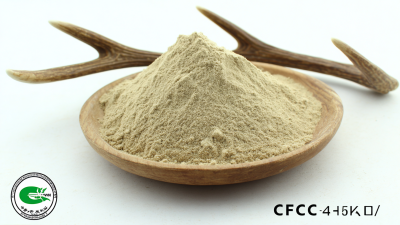
Locust bean gum powder, derived from the seeds of the carob tree, is a natural thickening agent. This powder is prized for its ability to stabilize emulsions and improve texture in food products. According to industry reports, locust bean gum accounts for a significant portion of the global food gelling agent market, valued at over $1.2 billion in recent years. Its unique properties make it ideal for dairy products, sauces, and baked goods.
This ingredient is commonly used in gluten-free formulations. It provides the structure that often lacks in gluten-free recipes. Studies indicate that locust bean gum enhances moisture retention in baked goods, leading to improved shelf life. However, not all consumers are aware of its source, which could limit its market potential. This presents a challenge for manufacturers aiming for transparency in ingredient sourcing.
In addition to its culinary applications, locust bean gum powder is also used in cosmetics and pharmaceuticals. It serves as a thickening agent in lotions and creams. However, there are lingering questions about its sustainability. The farming practices related to carob trees in different regions require further evaluation. Thus, while locust bean gum is a valuable ingredient, ongoing research is essential to address these concerns.
Historical Background of Locust Bean Gum Powder
Locust Bean Gum Powder has a rich historical background that dates back centuries. Originally derived from the carob tree’s seeds, it has been used in Mediterranean cultures for its thickening and gelling properties. This natural gum has served as a vital component in various culinary traditions, allowing for the enhancement of texture and stability in foods. According to industry reports, locust bean gum has gained traction as a popular food additive since the 20th century, with a notable increase in demand in Europe and North America.
The utilization of Locust Bean Gum Powder has evolved over the years. In the 1970s, its role expanded beyond cooking, integrating into industrial applications. Today, it is commonly found in dairy products, sauces, and baked goods. Research indicates that the global market for locust bean gum is projected to grow by over 6% annually. This growth reflects a rising inclination towards natural food additives. However, the sourcing and sustainability of locust bean gum remain topics of debate. Some argue that its harvesting practices could impact local ecosystems, urging a more thoughtful approach to its production.
Composition and Nutritional Profile of Locust Bean Gum Powder
Locust Bean Gum Powder is derived from the seeds of the carob tree. This natural ingredient is gaining popularity due to its unique properties. Its texture is often described as smooth and gel-like. This powder contains soluble fiber and plays a key role in improving food texture.
In terms of nutritional composition, Locust Bean Gum is low in calories and high in fiber. A typical serving has negligible fat and protein levels. It acts as a thickening agent in various dishes. Many people appreciate its ability to create a pleasant mouthfeel in products like ice cream and sauces. However, some might experience digestive discomfort due to its high fiber content. It’s essential to consume it in moderation.
Moreover, Locust Bean Gum is gluten-free, making it suitable for many diets. The powder can effectively stabilize emulsions and prevent ingredients from separating. While it can enhance food quality, overuse may lead to an overly thick texture. Understanding this balance is vital for effective usage.
What is Locust Bean Gum Powder and How is it Used? - Composition and Nutritional Profile of Locust Bean Gum Powder
| Nutritional Component | Amount per 100g | Function/Benefit |
| Calories |
330 kcal | Energy source |
| Total Carbohydrates | 77 g | Provides energy and dietary fiber |
| Dietary Fiber | 30 g | Promotes digestive health |
| Protein | 3 g | Supports muscle repair and growth |
| Fat | 0.5 g | Minimal fat content |
| Calcium | 100 mg | Bone health |
| Magnesium | 50 mg | Supports muscle and nerve function |
| Usage in Food Products | Common in dairy products, sauces | Thickening and stabilizing agent |
| Allergenic Potential | Low | Generally safe for most individuals |
Common Applications of Locust Bean Gum Powder in Food Industry
Locust bean gum powder, derived from the seeds of the carob tree, has become a valuable ingredient in the food industry. Its thickening and gelling properties make it popular in various applications. This natural polysaccharide is often used in dairy products, sauces, and bakery items. It provides texture and stability to products like ice cream and salad dressings.
In the food sector, Refined Locust Bean Gum is increasingly favored due to its clean label appeal. Many consumers are seeking natural ingredients, driving the demand for alternatives to synthetic additives. According to a report by ResearchAndMarkets, the global locust bean gum market is expected to grow at a compound annual growth rate (CAGR) of 5.7% from 2022 to 2030. This trend highlights how vital locust bean gum is within the growing natural food space.
Tips: When using locust bean gum in recipes, consider pairing it with other stabilizers for optimal results. Always measure accurately, as excessive amounts can lead to undesirable textures. Remember, achieving the right consistency may require some experimentation.
Uses of Locust Bean Gum Powder in Non-Food Products
Locust bean gum powder is an intriguing ingredient, particularly in non-food applications. Derived from the seeds of the carob tree, it serves as a thickening and stabilizing agent. Industry reports indicate that locust bean gum is gaining popularity in cosmetics, personal care products, and pharmaceuticals. Its emulsifying properties help stabilize lotions and creams, providing a smoother texture.
In the personal care sector, locust bean gum enhances formulations. It can be found in hair care products, where it improves the elasticity and manageability of hair. According to a market research analysis, the global market for locust bean gum in non-food applications is expected to reach approximately $1 billion by 2025. This highlights its expanding role beyond culinary uses.
Challenges exist. Sourcing high-quality locust bean gum can be inconsistent. Variability in seed quality affects the final product's effectiveness. Moreover, some consumers may have concerns regarding its origin and processing methods. Transparency in sourcing will be crucial for manufacturers aiming to retain consumer trust. This industry must reflect on its practices, balancing ingredient integrity with evolving consumer demands.
Health Benefits and Considerations of Locust Bean Gum Powder
Locust bean gum powder, derived from the seeds of the carob tree, has gained attention for its health benefits. It's commonly used as a thickener, stabilizer, and emulsifier in food products. This powder is particularly appreciated in vegetarian and vegan recipes. Its ability to form a gel-like texture makes it popular in dairy alternatives, sauces, and dressings. These unique properties enhance both the taste and texture of a variety of dishes.
Research suggests locust bean gum may promote digestive health. It can act as a soluble fiber, aiding in bowel regularity. This could be beneficial for those seeking to improve their gut health. However, individuals with certain sensitivities should consume it cautiously. Some experience bloating or discomfort when introducing new fibers into their diet. It is essential to listen to your body.
While locust bean gum offers advantages, balancing it with other nutritious elements is vital. Mung Bean Protein Powder can complement its benefits. Together, they provide a well-rounded nutrient profile. Exploring combinations of these ingredients can lead to healthier eating habits. Remember, moderation is key as you incorporate new foods into your diet.
Health Benefits of Locust Bean Gum Powder
How to Incorporate Locust Bean Gum Powder in Daily Cooking
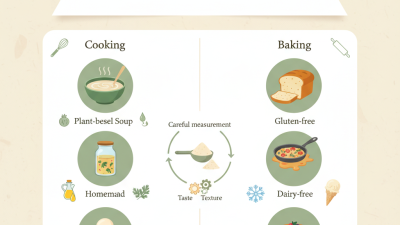
Locust bean gum powder, derived from carob seeds, serves as a natural thickening and gelling agent. This powder is increasingly popular in cooking. Its natural properties present unique opportunities for enhancing texture in various dishes. Research indicates that locust bean gum can replicate the mouthfeel of fat in certain recipes, an asset for health-conscious chefs.
In daily cooking, incorporating locust bean gum powder is straightforward. It's effective in soups and sauces, providing a smooth consistency without altering the flavor. A mere 0.5 to 1% addition of locust bean gum can significantly improve the mouthfeel of the dish. Yet, too much can lead to a gummy texture, which can be off-putting. Balancing this ingredient is crucial.
Moreover, the combination of locust bean gum powder with other ingredients, like Fava Bean Protein Powder, can create nutrient-dense meals. This duo offers a textured experience while boosting protein content. It’s vital to experiment with quantities. Understanding these nuances enhances cooking. Proper use encourages a deeper exploration of plant-based ingredients. Engaging with locust bean gum powder leads to innovative cooking, but trial and error will yield the best results.
FAQS
: It is used as a thickener and stabilizer in food products, enhancing texture and stability.
It forms a gel-like texture, making it ideal for dairy alternatives and enhancing taste in plant-based dishes.
Yes, it acts as a soluble fiber, aiding in bowel regularity and potentially improving gut health.
Some individuals may experience bloating or discomfort, especially when introducing new fiber sources.
The quality of seeds can vary, affecting the effectiveness of the final product and creating supply inconsistencies.
It is popular in cosmetics, personal care products, and pharmaceuticals for its emulsifying and stabilizing properties.
Pair it with other stabilizers and measure accurately, as excessive amounts can lead to undesirable textures.
Transparency in sourcing and processing methods is crucial for maintaining trust and ingredient integrity.
The market is growing, with an expected CAGR of 5.7%, indicating increasing demand for natural food ingredients.
Yes, pairing it with other nutritious elements can enhance health benefits and create a balanced nutrient profile.
Conclusion
Locust Bean Gum Powder, derived from the seeds of the carob tree, is a natural thickening and gelling agent widely used in the food industry. Historically, this ingredient has been utilized for centuries, stemming from traditional practices in various cultures. Its composition reveals a rich source of galactomannans, contributing to its unique functional properties and nutritional benefits.
In the food sector, Locust Bean Gum Powder serves numerous applications, such as improving texture in dairy products and enhancing the consistency of sauces and dressings. Beyond food, it is also found in cosmetics and pharmaceuticals due to its stabilizing properties. Incorporating Locust Bean Gum Powder into daily cooking can elevate dishes by providing creaminess and thickness, making it a versatile addition to both savory and sweet recipes. Understanding its health benefits and potential considerations helps in maximizing its use in everyday meals.