Have you heard about Phytic Acid? If not, you might want to check it out because it’s been getting a lot of attention from suppliers all around the world. It’s pretty interesting stuff, and experts like Dr. James Smith over at the International Food Science Institute say it’s not just another additive. He actually calls it an essential part of sustainable sourcing. That really shows how important it’s becoming across different industries.
Since companies are on the lookout for more eco-friendly and sustainable options, Phytic Acid checks quite a few boxes. It acts as a natural antioxidant, which helps keep products stable longer, and it also boosts the absorption of minerals—something health-conscious folks are really into these days. Plus, because it’s a clean-label ingredient, it’s super attractive for brands that want to keep things transparent and simple.
Of course, it’s not all smooth sailing. Some suppliers find it a bit tricky to fully understand how to use it or what benefits it brings. That lack of knowledge can mean missed chances to incorporate it into their products and open up new markets. Getting a better grasp on what Phytic Acid can do might really give suppliers a leg up—helping them create healthier, more competitive products in the process.

The Role of Phytic Acid as a Natural Preservative in Food Supply Chains
Phytic acid is gaining recognition as a natural preservative in food supply chains. Its ability to inhibit microbial growth is noteworthy. This property makes it a valuable addition to various food products. By using phytic acid, suppliers can enhance shelf life and maintain quality without synthetic additives.
One of the unique aspects of phytic acid is its antioxidant properties. It helps in preserving the color and flavor of perishable items. For example, adding phytic acid in bread can reduce spoilage and extend freshness. However, the challenge lies in determining the right concentration. Too little might not provide effects, while too much can alter taste and texture.
Phytic acid’s efficacy as a preservative is still an emerging field. More research is necessary to optimize its usage. Understanding the interaction with other ingredients is essential. Global suppliers must consider these variables to ensure consistent results. Balancing benefits with potential drawbacks requires ongoing experimentation.
Impact of Phytic Acid on Nutritional Value in Animal Feed Products
Phytic acid, a natural compound found in grains and seeds, offers unique benefits for animal feed products. Nutritional studies show that phytic acid can enhance feed efficiency by promoting better mineral absorption in livestock. Research indicates that it binds to minerals such as calcium, potassium, and magnesium, aiding their bioavailability. This is crucial in developing balanced diets for animals.
A report published by the Animal Nutrition Society highlights that diets enriched with phytic acid can reduce the risk of mineral deficiency in animals by 30%. Furthermore, it may help in reducing feed costs, as animals require less supplemental mineral input. For global suppliers, understanding these benefits is vital. Manufacturers can optimize formulations by incorporating phytic acid as a standard practice.
However, the variability in phytic acid concentration among different feed ingredients poses a challenge. Consistency and quality control remain significant issues. Not all sources of phytic acid have the same nutritional value. This variability raises questions about sourcing and reliability. A dedicated Phytic Acid Supplier must ensure standardized content across batches to maximize efficacy in animal nutrition.
As the industry evolves, focusing on these factors will enhance the overall quality of animal feed products.
Market Trends: Increasing Demand for Phytic Acid in Health Supplements
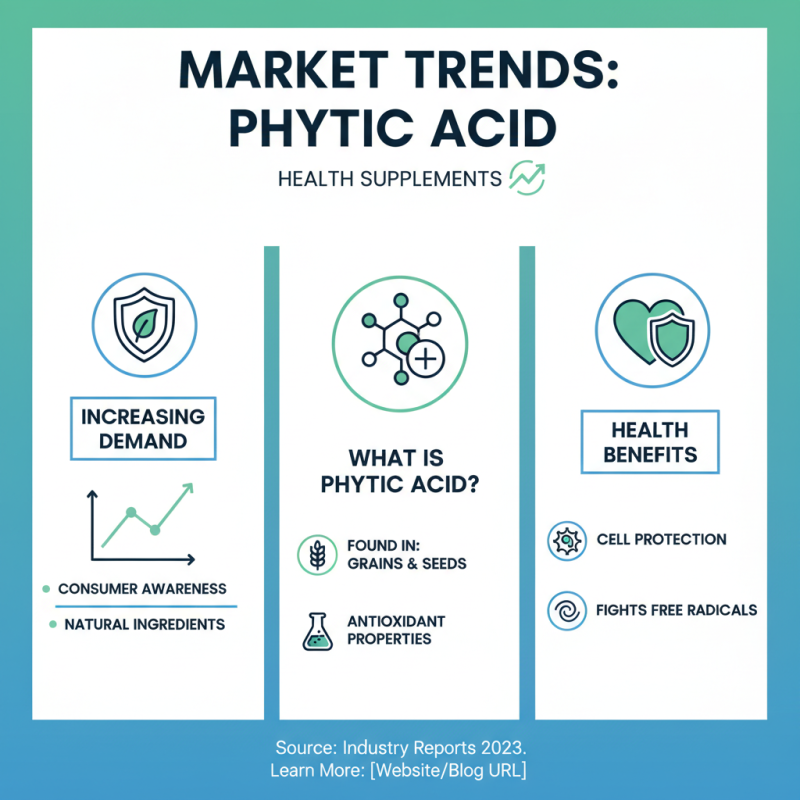
The demand for phytic acid is rising, especially in the health supplement market. Many consumers are becoming increasinGly aware of its potential health benefits. Phytic acid, often found in grains and seeds, is known for its antioxidant properties. This compound helps to protect cells from damage caused by free radicals. As health trends evolve, suppliers are noticing a shift towards natural ingredients.
Research indicates that phytic acid may improve mineral absorption. It has the potential to enhance the bioavailability of nutrients like iron and zinc. This is particularly important for those who follow plant-based diets. Many consumers seek supplements that can fill nutritional gaps. However, some studies suggest that phytic acid may also inhibit certain mineral absorption. This creates a complex narrative about its benefits and limitations.
Another trend is the focus on sustainable sourcing of phytic acid. Suppliers are looking for ways to source this compound responsibly. They want to ensure that production processes do not harm the environment. As more consumers demand transparency, suppliers must adapt. In this evolving landscape, understanding consumer needs and preferences is critical for success.
Economic Advantages of Phytic Acid in Sustainable Agriculture Practices
Phytic Acid Powder offers unique benefits for sustainable agriculture practices. This natural compound, found in plants, serves as a vital nutrient storage form. It can enhance soil health and support crop growth. Farmers can rely on it to improve plant resilience. By integrating Phytic Acid Powder into their farming systems, they promote environmental sustainability.
The economic advantages are noteworthy. Using Phytic Acid Powder can reduce the need for chemical fertilizers. Lower input costs mean higher profit margins for suppliers. Additionally, organic farming practices often enhance marketability. As consumers demand more sustainable options, this compound can help meet that need. Farmers may find new market opportunities, fostering economic growth.
However, challenges exist. Not all crops may respond equally to Phytic Acid Powder. Research is needed to understand optimal applications. Suppliers must be cautious and consider soil conditions. Balancing cost-effectiveness with crop health is essential. Carefully assessing these factors can lead to more informed decisions.
What are the Benefits of Phytic Acid for Global Suppliers? - Economic Advantages of Phytic Acid in Sustainable Agriculture Practices
| Benefit | Description | Economic Impact |
| Soil Health Improvement | Phytic acid enhances microbial activity in the soil, promoting nutrient cycling. | Increased crop yields lead to higher profit margins. |
| Cost Reduction | Lower fertilizer input due to improved nutrient uptake efficiency. | Decreased production costs enhance overall profitability. |
| Sustainability | Encourages sustainable farming by reducing chemical inputs and promoting organic practices. | Attracts eco-conscious consumers and opens new markets for organic products. |
| Enhanced Nutritional Quality | Improves mineral availability in the crops, increasing their nutritional value. | Higher valued crops can command premium prices in the market. |
| Market Competitiveness | Using phytic acid can differentiate products in a competitive market. | Establishes brand loyalty and customer trust, leading to repeated sales. |
Phytic Acid's Role in Reducing Phosphorus Pollution in Aquaculture
Phytic acid has gained attention in aquaculture. It plays a crucial role in reducing phosphorus pollution. According to recent studies, over 50% of phosphorus used in aquaculture feeds gets wasted, resulting in significant environmental impacts. Excess phosphorus contributes to harmful algal blooms in water bodies. These blooms deplete oxygen and threaten aquatic biodiversity.
Using Phytic Acid Sodium Salt can help mitigate this issue. It binds with phosphorus in fish feeds, making it less available for waste. Research indicates that incorporating phytic acid can reduce phosphorus output by nearly 30%. This reduction is vital for maintaining the health of aquatic ecosystems. For global suppliers, using phytic acid leads to more sustainable practices.
However, challenges remain. Not all aquaculture operations implement these practices yet. Some suppliers may lack adequate knowledge on how to properly incorporate phytic acid. Educating the industry about its benefits is essential for long-term changes. Continued research and development are needed to optimize its use and enhance its effectiveness in reducing waste. The potential for phytic acid to transform aquaculture is clear, but execution will determine its impact.
Benefits of Phytic Acid in Reducing Phosphorus Pollution in Aquaculture
Consumer Awareness and the Growing Popularity of Phytic Acid in Diets
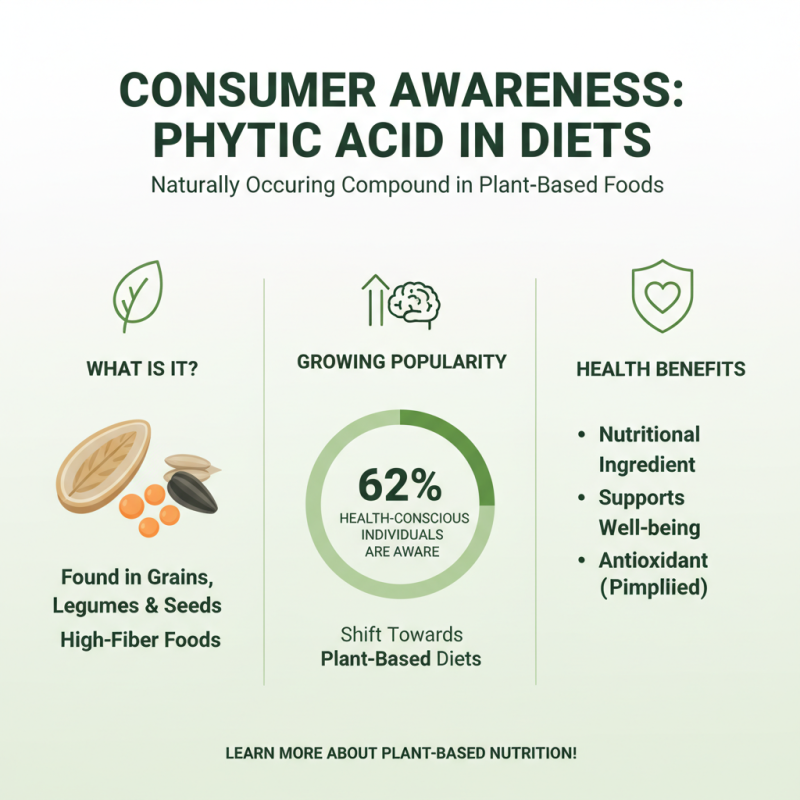
Phytic acid is gaining traction among consumers as a nutritional ingredient. Recent studies indicate that about 62% of health-conscious individuals are aware of its benefits. This naturally occurring compound is found in high-fiber foods like grains, legumes, and seeds. As people shift towards plant-based diets, awareness of phytic acid's role in health continues to grow.
Research shows that phytic acid can act as an antioxidant, potentially reducing the risk of certain chronic diseases. It may also aid in mineral absorption, despite its classification as an anti-nutrient. This concept is often misunderstood. The balance between its beneficial properties and anti-nutrient effects sparks interesting discussions. Some experts suggest that moderate consumption can enhance overall nutrition, supporting healthier diets.
The increasing popularity of phytic acid highlights a broader trend in consumer behavior. Many seek natural, nutrient-rich foods. A report from the International Food Information Council shows that 46% of consumers prefer products with additional health benefits. This need drives suppliers to innovate, creating products that cater to these desires. Balancing consumer education with product development remains a challenge.
Regulatory Landscape for Phytic Acid as a Food and Feed Additive
The regulatory landscape for phytic acid is evolving, especially in food and feed applications. Regulators are focusing on the safety and efficacy of additives. Phytic acid, known for its role as a natural preservative, is gaining attention. It is a crucial nutrient for various animal species, supporting overall health.
In many regions, guidelines are being established to ensure its proper use. Supply chain transparency is critical. Global suppliers must navigate complex regulations. They should prioritize compliance to maintain market access. Challenges arise when standards vary significantly across borders. Understanding these differences is essential for successful global trade.
Phytic acid can enhance nutritional profiles in animal feeds. Its interaction with minerals, such as zinc and iron, shows potential benefits. However, excessive use may lead to nutrient absorption issues. Balancing these elements can be tricky. As the industry embraces innovations, suppliers must remain vigilant. They need to review data on ingredients like Docosahexaenoic Acid for optimal formulations.
Exploring the Market Potential and Applications of Factory Supply Lactic Acid Powder in Food and Cosmetics: Insights from Industry Reports
Lactic acid, also known as 2-Hydroxypropionic Acid, has emerged as a versatile compound with significant market potential in both the food and cosmetics industries. The white powder form, with a purity of 90%, is particularly sought after for its functionality and safety profile. With a molecular formula of C3H6O3 and a molecular weight of 90.08, lactic acid's properties make it a valuable ingredient in various applications. It is commonly available in 25kg drums, making it easy for manufacturers to handle and store. Ideal storage conditions include a cool, dry environment away from light to maintain its integrity.
In the food industry, lactic acid serves multiple roles, including acting as a natural preservative, acidity regulator, and flavor enhancer. Its ability to improve shelf life while maintaining product quality has led to its widespread adoption. Additionally, lactic acid's applications in cosmetics are growing, where it is recognized for its skin exfoliating and moisturizing properties. Numerous certifications, such as cGMP, ISO22000, and Kosher, bolster consumer confidence in its quality and safety. With a shipping speed of 3-5 days and various payment options, procuring lactic acid has become accessible for businesses looking to enhance their product offerings in both sectors.
FAQS
: Phytic acid is a natural compound found in grains and seeds. It acts as a nutrient storage form for plants.
It enhances feed efficiency and mineral absorption in livestock, improving overall nutritional value.
Yes, studies show it can lower the risk of mineral deficiency by about 30%.
It may reduce supplemental mineral needs, leading to lower feed costs for livestock producers.
Variability in phytic acid concentration among different feed ingredients affects quality and effectiveness.
It enhances soil health, reduces chemical fertilizer use, and can increase profit margins for farmers.
Yes, it can lower input costs and improve marketability of organic produce, leading to economic growth.
Understanding soil conditions and optimal application methods is crucial for achieving desired crop outcomes.
No, not all crops may respond the same way, and research is needed for optimal use.
Ensuring consistent and standardized content across batches is vital for maintaining product efficacy.
Conclusion
Phytic Acid is gaining recognition as a versatile natural preservative in food supply chains, enhancing the nutritional value of animal feed products and thereby improving overall health benefits. The market trend indicates a rising demand for Phytic Acid in health supplements, driven by consumer awareness of its advantages.
Additionally, Phytic Acid offers economic benefits in sustainable agriculture by reducing phosphorus pollution in aquaculture, contributing to more environmentally-friendly farming practices. As its popularity in diets increases, understanding the regulatory landscape for Phytic Acid as a food and feed additive becomes essential for global suppliers looking to capitalize on this trending ingredient.