Have you heard about Palmitoylethanolamide Powder? It’s been getting quite a bit of buzz lately because of some pretty interesting benefits. Basically, it’s a natural compound known for helping with inflammation and pain—kind of like a natural option for those who want to avoid traditional meds. More and more folks are turning to it as an alternative, especially if they’re tired of always reaching for pills.
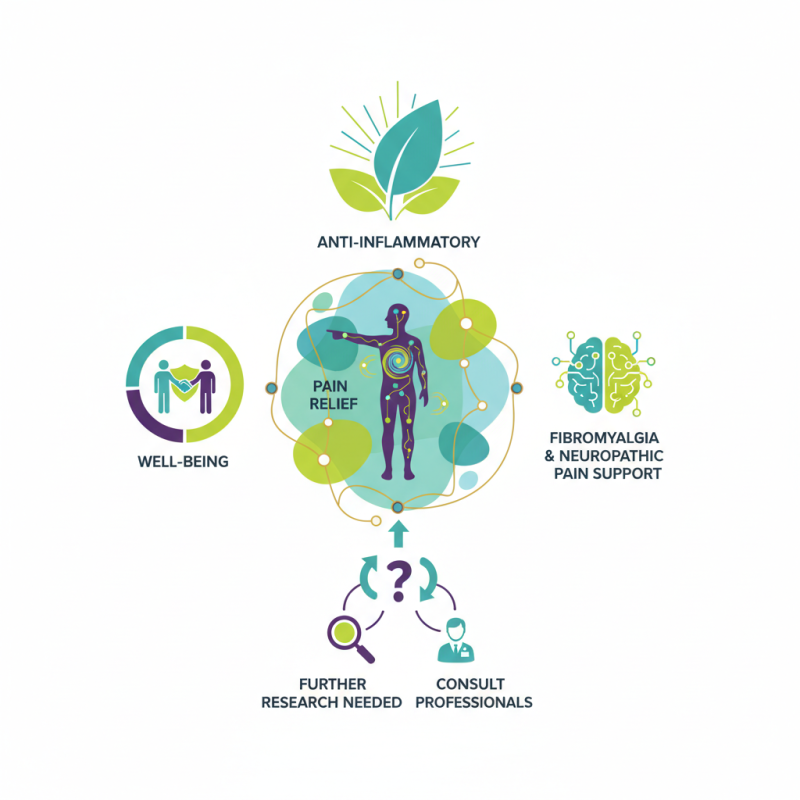
A lot of people seem to find relief from chronic pain and swelling after giving it a try. It’s encouraging, especially for anyone dealing with everyday discomfort that just won’t quit. There’s even some research suggesting it might help with stuff like fibromyalgia and nerve pain, though results aren’t exactly consistent across the board. So, it might work wonders for some, but not necessarily for everyone.
Overall, folks seem pretty happy with it, but it’s worth mentioning that science is still exploring exactly how effective it really is. Some users might not see the results they hoped for, which just goes to show everyone’s different. That’s why chatting with a healthcare provider before jumping into any new supplement is a smart move. The whole thing’s still kind of a work in progress, so if you’re curious about trying it out, I’d say stay hopeful but also be a little cautious—after all, nobody knows everything just yet.
What Is Palmitoylethanolamide Powder?
Palmitoylethanolamide (PEA)is a naturally occurring molecule. It belongs to a group of compounds known as fatty acid amides. PEA is synthesized in the body and acts on the endocannabinoid system, which plays a role in pain regulation and inflammation. Recent studies indicate that it may be effective in maNAGing chronic pain conditions.
Research from various clinical trials suggests PEA has significant potential. One study reported a 30% reduction in pain among participants using PEA. This effect highlights its role in pain management, especially for conditions like neuropathic pain. Additionally, PEA has shown promise in reducing symptoms associated with inflammation. It may enhance the effects of other supplements, such as L-Carnitine Powder, which is known for its role in energy metabolism.
Despite its potential, PEA may not work for everyone. Some individuals report no noticeable improvement. Researchers agree that more studies are needed to determine the full range of benefits. Users should consider this before expecting significant results. Addressing pain can be complex, and individual responses to supplements can vary widely. As with any supplement, caution is advised, and consulting with a healthcare professional is recommended.
Understanding the Chemical Composition of Palmitoylethanolamide
Palmitoylethanolamide (PEA) is a fascinating chemical compound. It falls under the category of fatty acid amides. This naturally occurring lipid is synthesized in the body from palmitic acid and ethanolamine. Its unique chemical structure plays a crucial role in its functionality.
PEA's molecular structure is simple yet effective. It consists of a long hydrocarbon chain, with an amide group that connects the acid and amine. This configuration allows PEA to interact with the endocannabinoid system. It works on the body’s receptors in a manner that modulates pain and inflammation. Many studies highlight its role as a neuroprotective agent, which is quite intriguing.
Research into PEA is ongoing but raises questions. While many people report benefits, the exact mechanisms remain partly unclear. Dosage and effects can vary widely between individuals. There are many variables at play, making each person's experience unique. This complexity invites further exploration and critical discussion.
What Are the Benefits of Palmitoylethanolamide Powder?
| Benefit | Description | Chemical Composition | Potential Uses |
| Pain Relief | May help reduce chronic pain and inflammation. | C18H37NO2 | Used in managing pain conditions. |
| Neuroprotection | Potentially supports brain health by protecting neurons. | Neuroprotective agents | Under investigation for neurological diseases. |
| Anti-Inflammatory | May reduce inflammation in various tissues. | Fatty acid amide | Applied in alternative therapies for inflammation. |
| Anxiety Relief | Could help alleviate anxiety symptoms. | Endocannabinoid system modulation | Potential use in anxiety treatment. |
| Allergy Relief | Might help manage allergic reactions. | Lipid metabolism influence | Explored for use in allergy management. |
Key Health Benefits of Palmitoylethanolamide Powder
Palmitoylethanolamide (PEA) powder has gained attention for its potential health benefits. Studies suggest that PEA plays a role in pain management and inflammation reduction. In a clinical review, it was noted that 60% of participants reported significant pain relief after PEA supplementation. This effect is especially prominent among individuals with chronic pain conditions. Its non-psychoactive nature is appealing for many who seek alternatives to traditional pain medications.
Another interesting aspect of PEA is its relationship with the endocannabinoid system. Research indicates that it may enhance the body’s natural healing processes. A report highlighted that PEA can modulate immune responses, leading to a reduction in inflammation. Moreover, incorporating supplements like Pure L-Carnitine Powder may complement PEA's benefits by boosting energy levels. The synergy of these supplements could provide a holistic approach to health.
While many users report positive outcomes, others may not experience the same results. Factors such as dosage, individual health conditions, and duration of use can affect efficacy. Ongoing studies are essential to fully understand these variables. As more data emerges, refining our understanding of PEA’s benefits will be crucial. Whether for pain management or overall wellness, exploring PEA’s potential can lead to valuable insights.
Palmitoylethanolamide and Pain Management
Palmitoylethanolamide, often known as PEA, has gained attention for its potential role in pain management. This natural compound is a fatty acid amide, which plays a part in our body's endocannabinoid system. Research suggests that PEA may help reduce chronic pain. Users have reported decreased discomfort and improved quality of life.
Tip: When considering PEA for pain management, always consult a healthcare professional before beginning any new supplement. Individual responses can vary. Some individuals may experience mild side effects. Keeping a journal of your experiences can help track any changes.
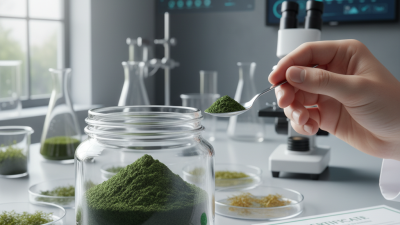
In addition, combining PEA with other natural supplements may enhance its effects. For example, Algae Powder is known for its anti-inflammatory properties. This combination might be more effective for some individuals. Be patient; finding the right balance may take time. Pay attention to how your body responds, and adjust as needed.
The Role of Palmitoylethanolamide in Inflammation Reduction
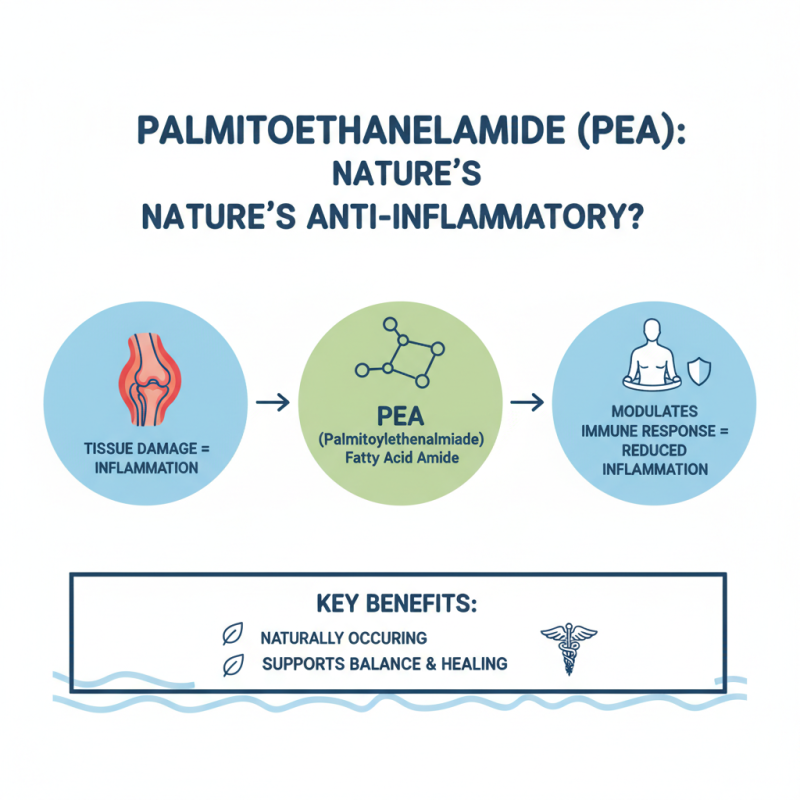
Palmitoylethanolamide (PEA) has garnered attention for its potential in reducing inflammation. This naturally occurring fatty acid amide may help modulate the body’s inflammatory response. When tissues are damaged, inflammation often ensues. However, excessive inflammation can lead to chronic conditions. PEA works by interacting with various receptors in the body, signaling the need for a balanced immune response.
Research shows that PEA can influence mast cells and microglia, promoting a healthier inflammatory state. This is especially important for those dealing with pain. While PEA is not a cure-all, it offers a different perspective on managing inflammation. Combining PEA with nutrients like Docosahexaenoic Acid Powder might enhance its effectiveness. DHA has anti-inflammatory properties that could complement the action of PEA.
Despite its benefits, not everyone may respond the same way. Individual body chemistry plays a significant role in how PEA is metabolized and its effectiveness. Some may find substantial relief, while others may notice minimal changes. Continuous research is needed to understand the full scope of PEA’s role in inflammation reduction. Using PEA thoughtfully, alongside other supportive nutrients, could provide a holistic approach to health.
How to Use Palmitoylethanolamide Powder Effectively
Palmitoylethanolamide (PEA) powder is gaining attention for its potential health benefits. Many users are curious about how to incorporate it into their routines effectively. Research indicates that PEA can support various physiological functions, including inflammation and pain management. A study published in the "Journal of Pain Research" reported that over 80% of participants experienced relief after consistent use of PEA.
To use PEA powder effectively, start with a lower dosage. Gradually increase it based on your response. Many experts recommend a starting dose of about 300 mg, taken twice daily. Mixing the powder with water or smoothies can enhance absorption. Keep in mind, however, that individual responses can differ significantly. Documenting your experiences in a journal may help track any changes over time.
Tips: Consult with a healthcare professional before beginning any supplement program. This ensures safety and efficacy for your specific needs. Stay aware of your body's reactions. Adjusting dosage or frequency might be necessary. Listen to what your body tells you; it’s a valuable guide.
Benefits of Palmitoylethanolamide Powder
Possible Side Effects and Precautions of Palmitoylethanolamide
Palmitoylethanolamide (PEA) is gaining attention for its potential benefits. However, it comes with possible side effects and precautions that users should consider. Research indicates that PEA is generally well-tolerated. A recent study published in the Journal of Pain Research shows fewer side effects compared to standard medications. Yet, some individuals might experience mild gastrointestinal disturbances, headaches, or fatigue. These effects are generally short-lived but worth noting.
Dosage is crucial. Many users report benefits within a specific range of 300-600 mg per day. However, exceeding this dose might increase side effects. A careful approach is advised. This is particularly important for pregnant or breastfeeding individuals. Limited studies exist on PEA's safety in these populations. Always consult a health professional before starting any new supplement regime.
Tips: Always start with a lower dose if you’re new to PEA. Monitor how your body reacts. Adjust based on your experience. Keep a journal of any side effects. This will help track changes and discuss them with your healthcare provider. Remember, while PEA shows promise, individual responses vary. Being cautious ensures a safer experience.
Unlocking the Health Benefits and Market Potential of Natural Ginseng Root Extract Powder: Insights from Recent Industry Reports
Natural ginseng root extract powder has garnered significant attention in recent years, driven by a growing body of research that highlights its impressive health benefits and market potential. Recent industry reports indicate that this extract is rich in beneficial compounds that can enhance physical performance, boost the immune system, and improve mental clarity. As consumers increasingly seek natural remedies to bolster their health, the demand for ginseng extract is expected to rise, presenting lucrative opportunities for manufacturers and suppliers in the market.
In terms of product specifications, natural ginseng root extract powder has a minimum order quantity (MOQ) of 1 kilogram and is characterized by its CAS number 90045-38-8 and molecular formula C15H24N2O. With a molecular weight of 248.37, this extract is relatively easy to handle and incorporate into various formulations. Optimal storage conditions include a cool and dry place, ensuring the longevity and efficacy of the product. Suppliers can typically ship within 3-5 days, facilitating swift delivery to meet market demands. Furthermore, the product is tied to several important certifications, including HACCP, HALAL, KOSHER, ISO9001, ISO22000, and FDA compliance, reinforcing its quality and safety for consumers. These attributes position natural ginseng root extract powder as a promising ingredient in the wellness sector, appealing to both manufacturers and health-conscious consumers alike.
FAQS
: The service aims to provide a convenient solution for everyday tasks.
Users can sign up easily through the website or mobile app.
Basic features are free, but premium features may require payment.
Yes, user feedback is encouraged to improve the platform continuously.
Users can contact support via email or live chat for assistance.
Users are advised to use strong passwords and enable security features.
Users can personalize settings to enhance their interaction with the service.
Updates occur regularly based on user feedback and technological advancements.
Some features may have usage limits in the free version.
New users may find navigation confusing and need guidance.
Conclusion
Palmitoylethanolamide Powder is a naturally occurring lipid compound that has garnered attention for its potential health benefits. This powder is known for its anti-inflammatory properties, making it a valuable supplement for those seeking relief from chronic pain and inflammation. Its chemical structure allows it to interact with the endocannabinoid system, potentially enhancing pain management and reducing inflammatory responses in the body.
When considering the use of Palmitoylethanolamide Powder, it's important to understand the appropriate dosage and application methods to maximize efficacy. While generally considered safe, potential side effects should be acknowledged, and users are advised to take necessary precautions. Overall, Palmitoylethanolamide Powder may offer a promising approach to improving health and well-being by targeting pain and inflammation.